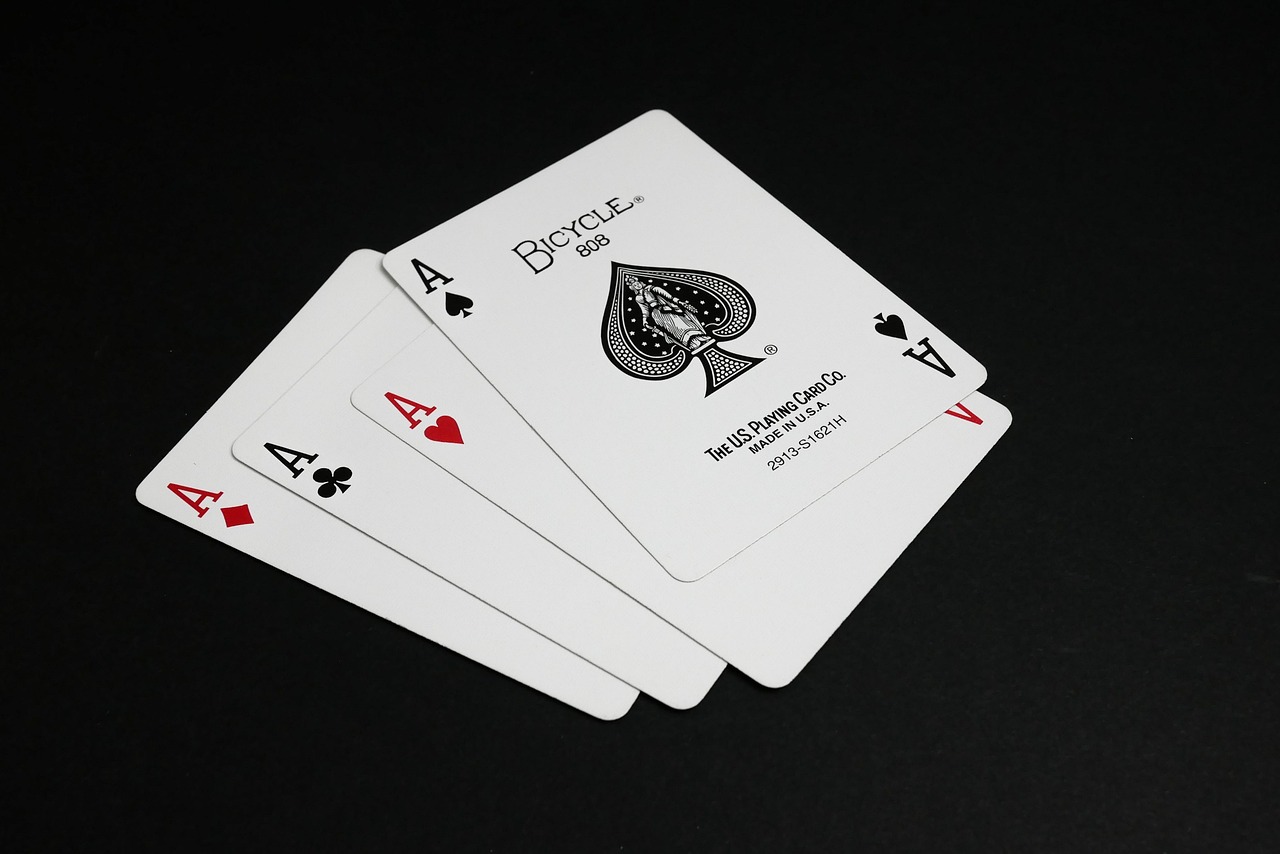
Walk into any iGaming forum and you'll see the same argument play out a hundred times: slots are mindless, poker is the only game of skill, and sports betting is a coin flip dressed up in statistics. All three takes are wrong. Worse, they're lazy. The truth is that casino games, poker, and betting reward different kinds of attention, and once you understand what each one is actually asking of you, the whole landscape starts making sense. This isn't a pitch to deposit anywhere. It's a map of the terrain, written for people who'd rather understand the machine than become a cog in it.
Why Slots Eat Most of the iGaming Pie
Look at revenue numbers from nearly any regulated market and slots dominate, often somewhere between 65% and 80% of casino vertical revenue. There's a reason. Slots need no learning curve, no opponent, and no table presence. You tap a button and a result appears. That simplicity hides genuine complexity, though, and the players who lose fastest are usually the ones who never looked under the hood.
The number that matters most is RTP, return to player. A slot with 96% RTP returns roughly 96 cents of every dollar wagered over millions of spins. The remaining 4% is the house edge. Compare that to a 95% payout slot and the difference sounds trivial, but on 500 spins at a dollar each, that's a five-dollar swing in expected loss. Multiplied over a year of regular play, it's not trivial at all.
- Volatility tells you how the payout is distributed. Low-volatility slots drip small wins frequently. High-volatility machines can go hundreds of spins without a meaningful hit, then explode.
- Hit frequency is separate from RTP. A game can hit on 1 in 4 spins and still hold a hefty edge.
- Bonus mechanics like cascading reels or expanding wilds change the math, not just the visuals.
The practical upshot: pick your volatility to match your bankroll and patience, not your mood. If you have forty dollars and an hour, a 10,000x-max-win megaways monster with a 96.5% RTP is a lottery ticket. A low-volatility three-reel classic is a slow bleed with more frequent small returns. Neither is smarter. They're just different products.
Poker Is a Skill Game With a Shrinking Edge for Casual Players
Poker attracts a certain personality: the person who thinks they can outthink a room. Twenty years ago, that was often true. Online poker in the mid-2000s was full of tourists chasing a dream. Today, the ecosystem has stratified. Solvers, training sites, HUDs, and GTO (game theory optimal) charts have compressed the edge available to a recreational player at mid-stakes tables.
That doesn't make poker unwinnable. It makes it a specific kind of challenge. The money at low-stakes cash games and micro tournaments still moves around plenty, because most players at those tables make the same fundamental mistakes: they play too many hands, they call too much when they know they're behind, and they don't adjust to table dynamics. Beating 2NL or a five-dollar sit-and-go is entirely possible with disciplined fundamentals.
Where poker genuinely shines is in the decision density. In a cash game you might make forty meaningful decisions in an hour. In slots, you make roughly zero. Every hand is a miniature problem with incomplete information, and that's before you factor in position, stack depth, and opponent tendencies.
- Position matters more than cards. Acting last gives you information and leverage on every street.
- Bankroll management is not optional. Twenty buy-ins for cash games is a floor, not a target.
- Game selection beats study. A soft table at a lower limit is worth more than a tough table at a higher one.
- Track your results. Memory is a liar. A spreadsheet or a tracker is not.
Sports Betting: Where Information Beats Intuition
Sports betting feels like knowledge. You follow the league, you know the injuries, you understand the matchup. Then you bet a favorite at -300 and watch a backup quarterback throw three interceptions. The lesson isn't that sports are random. It's that the market already knows what you know, and then some.
The vig, or juice, is the built-in cost of placing a bet. A standard -110 line on both sides of a spread implies a break-even win rate of about 52.4%. That sounds small until you realize that a bettor hitting 53% is essentially breaking even over time. Beating the closing line consistently is the real benchmark of skill, not winning a parlay on a Sunday. สล็อต goes into the finer points.
Where casual bettors can actually find an edge:
- Line shopping. The difference between -105 and -115 on the same bet is roughly two percentage points of expected value. Multiple books, multiple accounts.
- Props and niche markets. Less liquidity means less efficiency, which means more opportunity for someone who's done their homework.
- Promotions and boosts. A genuinely free bet or a profit boost is pure expected value. Use them and move on.
What doesn't work: chasing losses, betting on your favorite team because you love them, and treating a parlay as a plan rather than a lottery ticket.
The Common Thread: House Edge and Variance
Across slots, table games, and betting, two numbers govern everything. House edge is the long-run cost of playing. Variance is how bumpy the ride gets. Slots have a high edge and high variance. Blackjack with basic strategy has an edge around half a percent and low variance, which is why it's the sharpest game in the casino for a disciplined player. Poker has no fixed house edge in cash games, just a rake, and the edge is between players. Sports betting has an edge baked into the odds that can be overcome with information.
Understanding these two forces changes how you play. It tells you that a session result is mostly noise, that "hot" and "cold" machines don't exist, and that the only thing you control is which games you sit in and how much you expose to the math.
What Responsible iGaming Actually Looks Like
Here's the part most content skips. Every serious operator, regulator, and industry analyst agrees on the same point: if you're playing with money you can't afford to lose, no strategy will save you. Set limits before you start, not after. Use deposit caps, session reminders, and self-exclusion tools if the sessions start feeling compulsive. Treat poker and sports betting as recreational math problems, not income streams.
The people who enjoy this space longest are the ones who treat it as entertainment with a known cost. They know their RTP, they know their bankroll, and they walk away when the math says the night is over.
The Bottom Line
iGaming isn't a single thing. Slots are a fast, simple entertainment product with a fixed edge. Poker is a competitive puzzle where the edge moves between players. Sports betting is a market where information and discipline are the only real currencies. Learning the difference between those three worlds is what separates someone who understands the industry from someone who's just feeding it. Pick your game, learn its math, and never let the variance convince you of a story that isn't there.


Félix Lengyel 01.01.2024 at 8:00
You guys have put so much work, effort, and time while designing this awesome theme I can see that passion when I incorporated it into my website.
ReplyJoseph Crawford 01.01.2024 at 8:00
The only thing I LOVE more than this theme and it’s incredible options is the support team! They are freaking amazable!
ReplyPatsy Hamlin 01.01.2024 at 8:00
Outstanding quality in this theme, brilliant Effects and perfect crafted Code. We absolutely love it and can highly recommend DynamicLayers!
Reply